The library

Explore practical walkthroughs, technical field notes, and fresh perspectives.

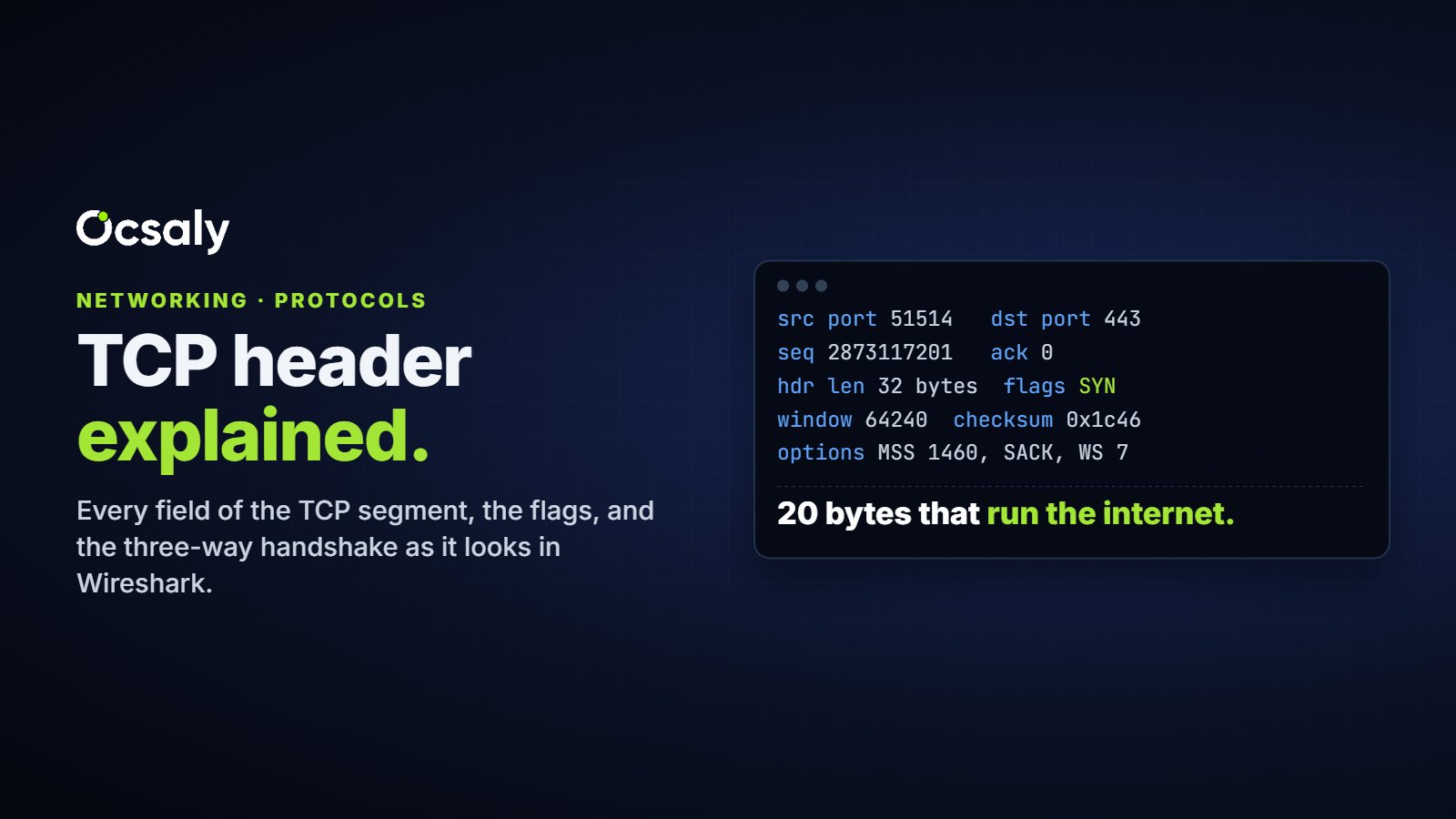
TCP header structure: ports, sequence numbers, flags and window
The TCP packet structure explained field by field: ports, sequence and acknowledgment numbers, flags such as SYN, ACK, FIN and RST, window, checksum and options.
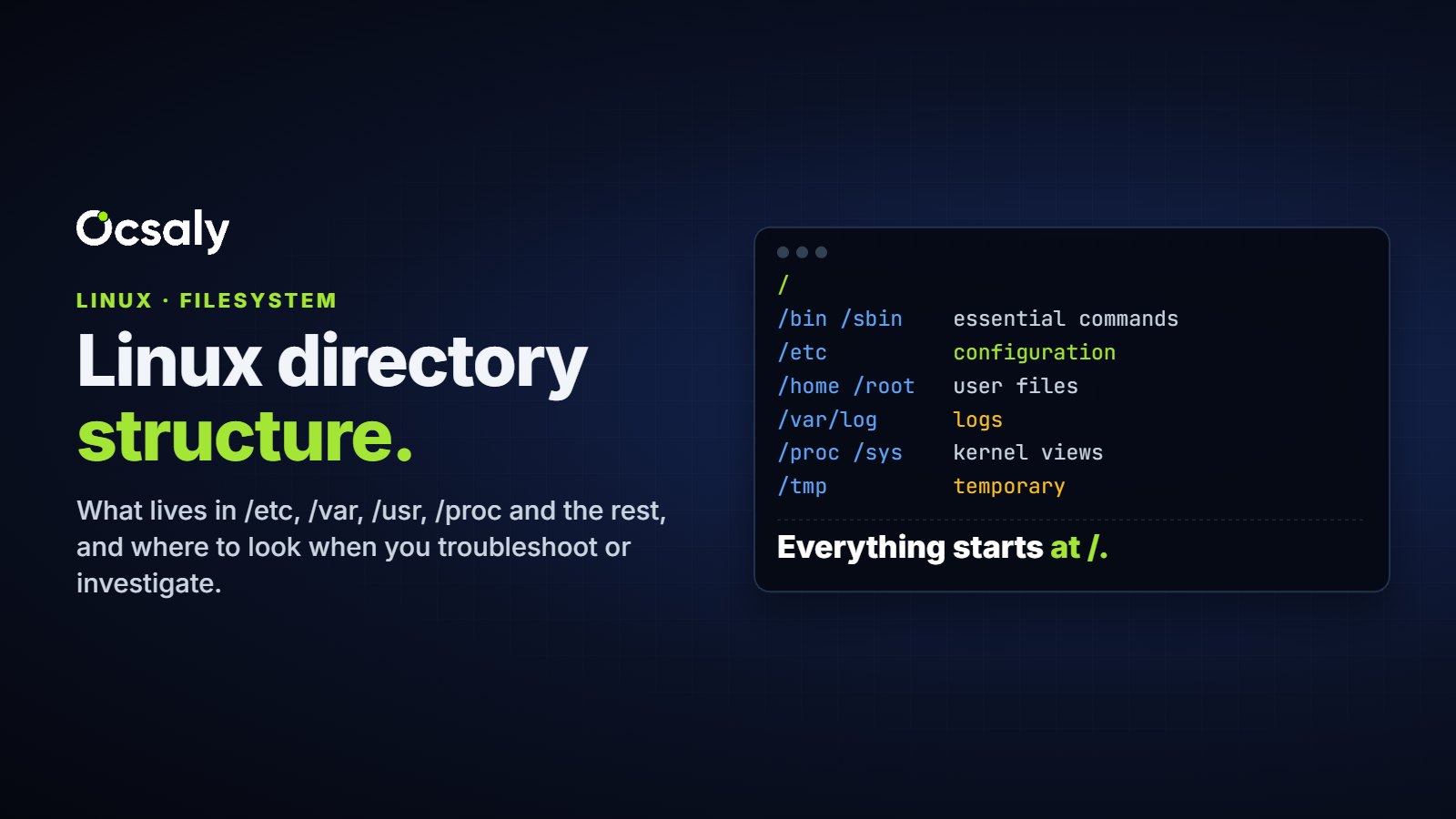
Linux directory structure: root, etc, var, home, proc explained
The Linux directory structure explained: what lives in /bin, /etc, /home, /var, /usr, /proc, /tmp and the rest, and where to look when troubleshooting.
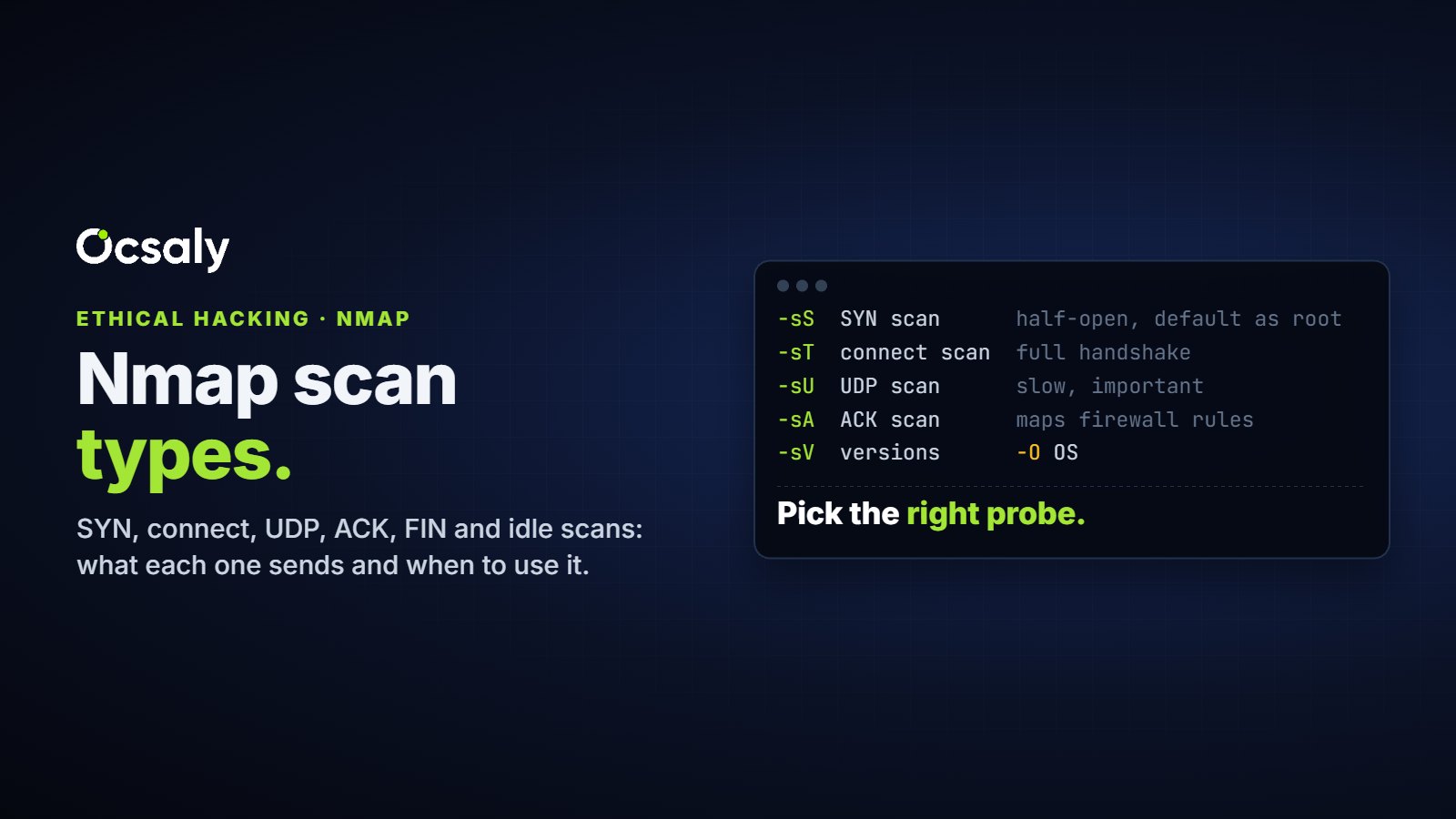
Nmap scan types compared: SYN, connect, ACK, UDP and more
Nmap port scanning techniques compared: SYN and connect scans, UDP, ACK, FIN, NULL and Xmas scans, idle scan, port states, and which scan to use when.
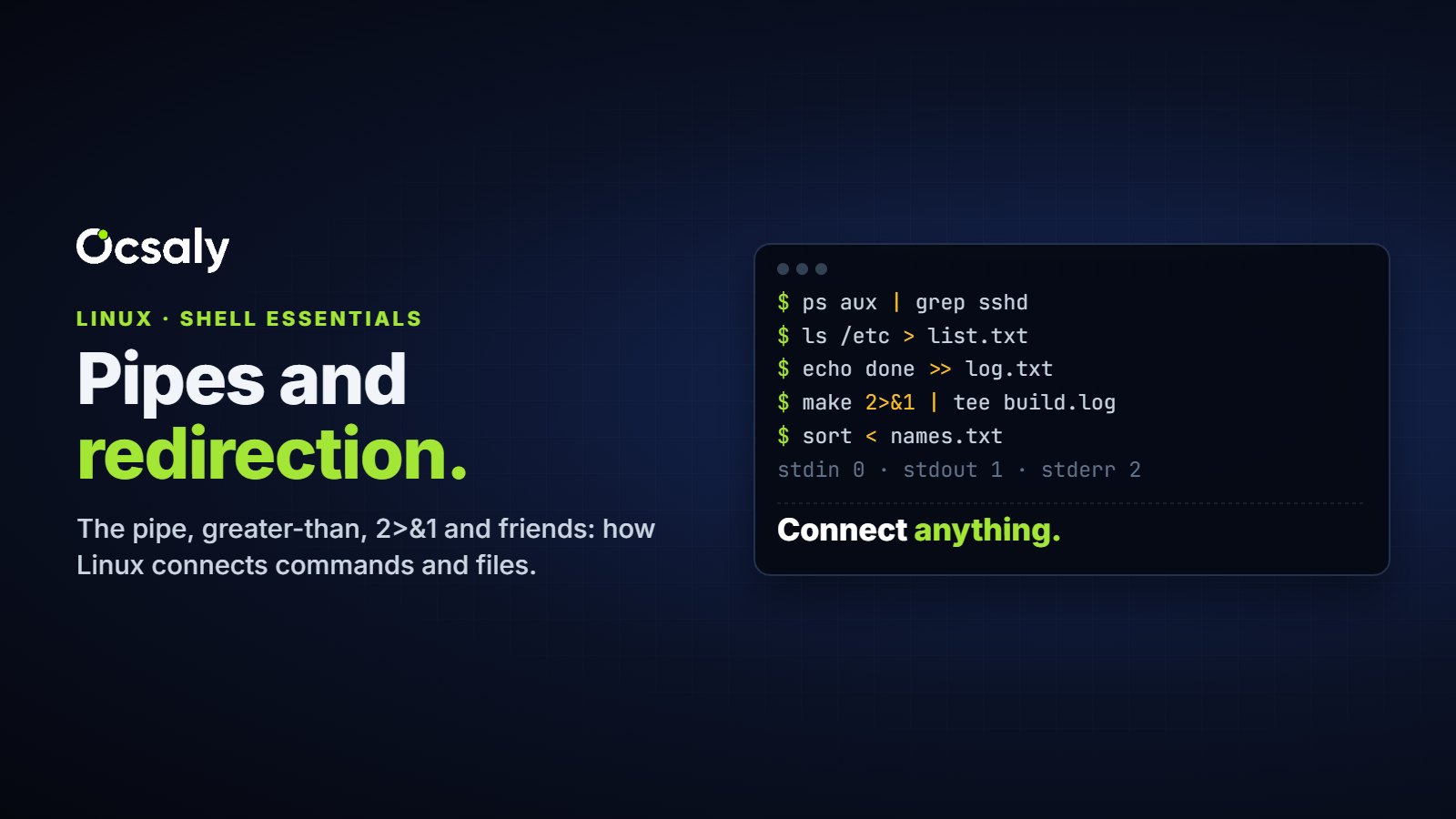
Linux pipes and bash redirection operators explained
How the Linux pipe and bash redirection work: stdin, stdout and stderr, the operators |, >, >>, &1, tee, here documents and common mistakes.
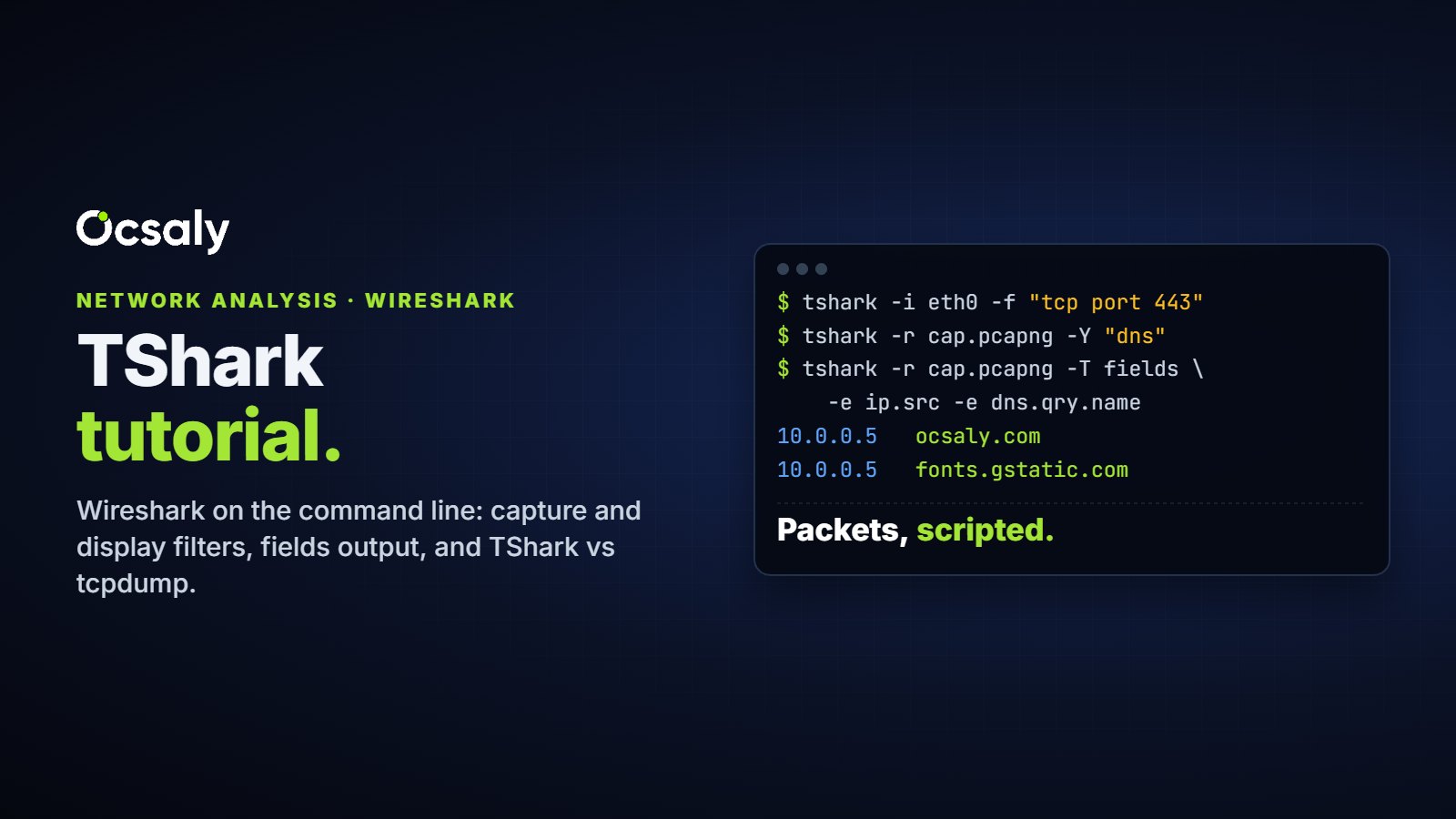
TShark command line packet capture and filters
How to use TShark, the command-line Wireshark: capture interfaces, -f capture filters, -Y display filters, field output for scripts, and TShark vs tcpdump.
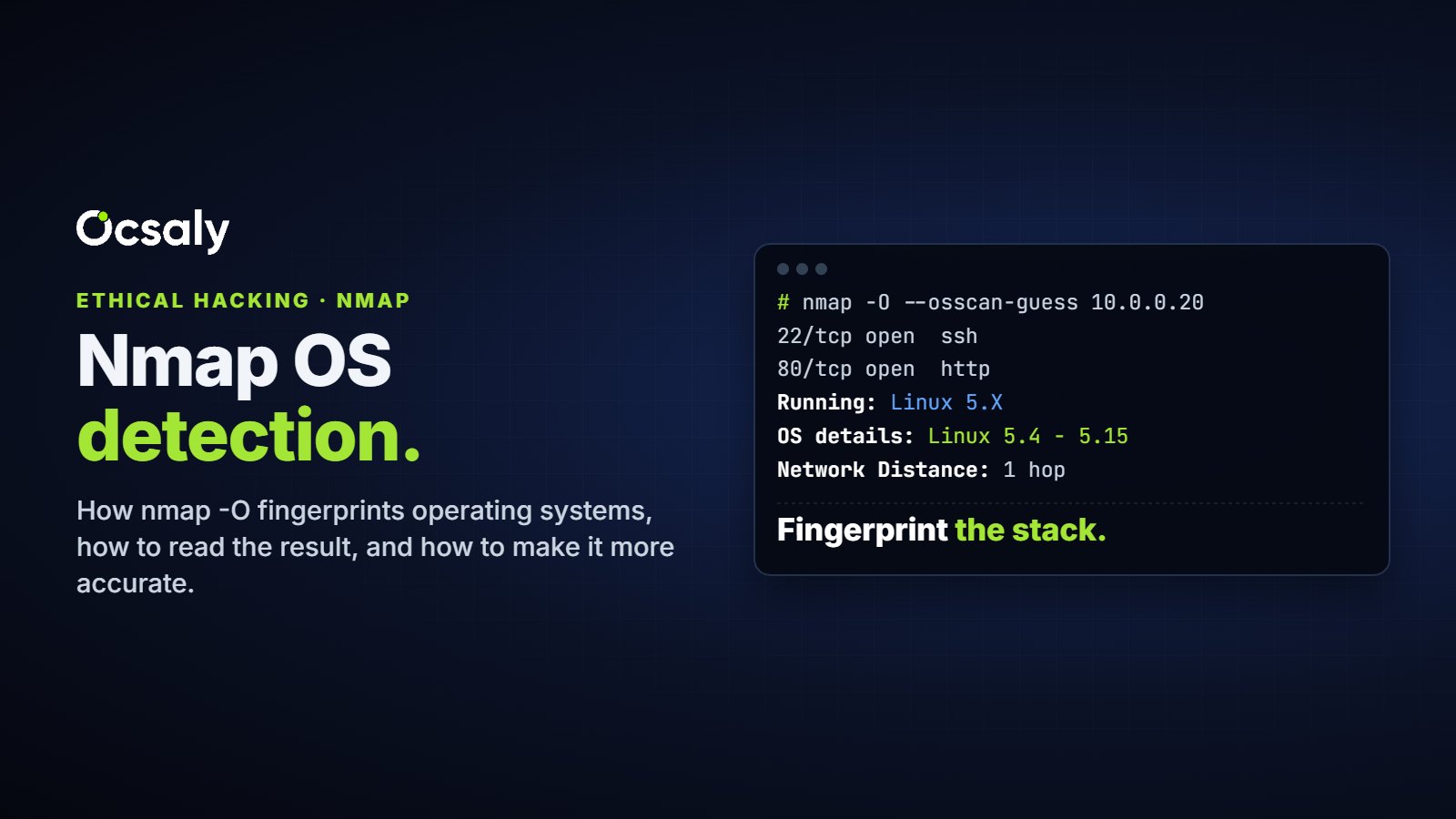
Nmap OS detection scan output with OS details
How Nmap OS detection works: the nmap -O and -A options, TCP/IP fingerprinting, reading Running and OS details lines, and tips to get accurate results.
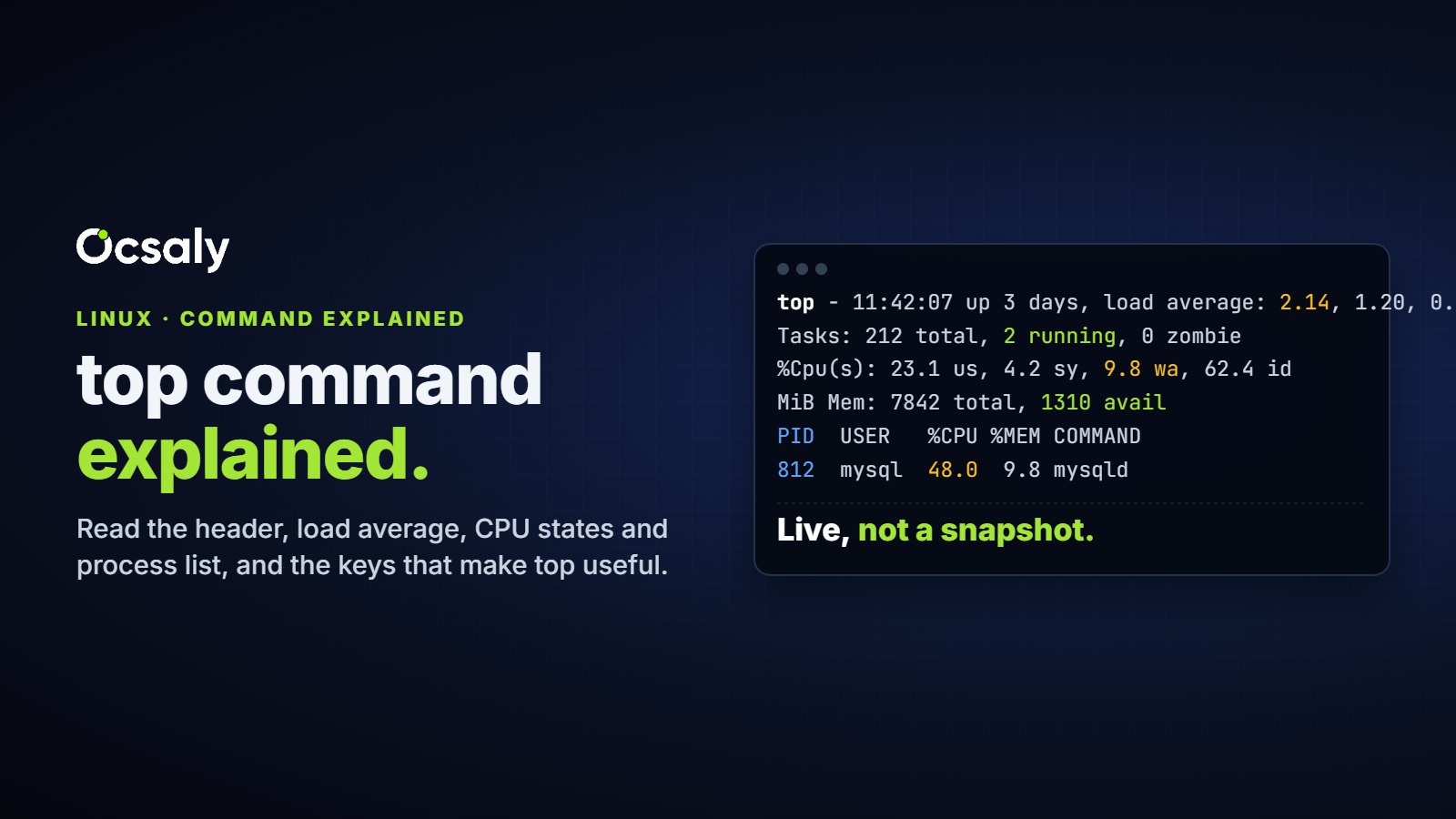
Linux top command output with load average and process list
How to read the Linux top command: uptime and load average, CPU states like us, sy and wa, memory lines, process columns, and keys to sort by CPU or memory.
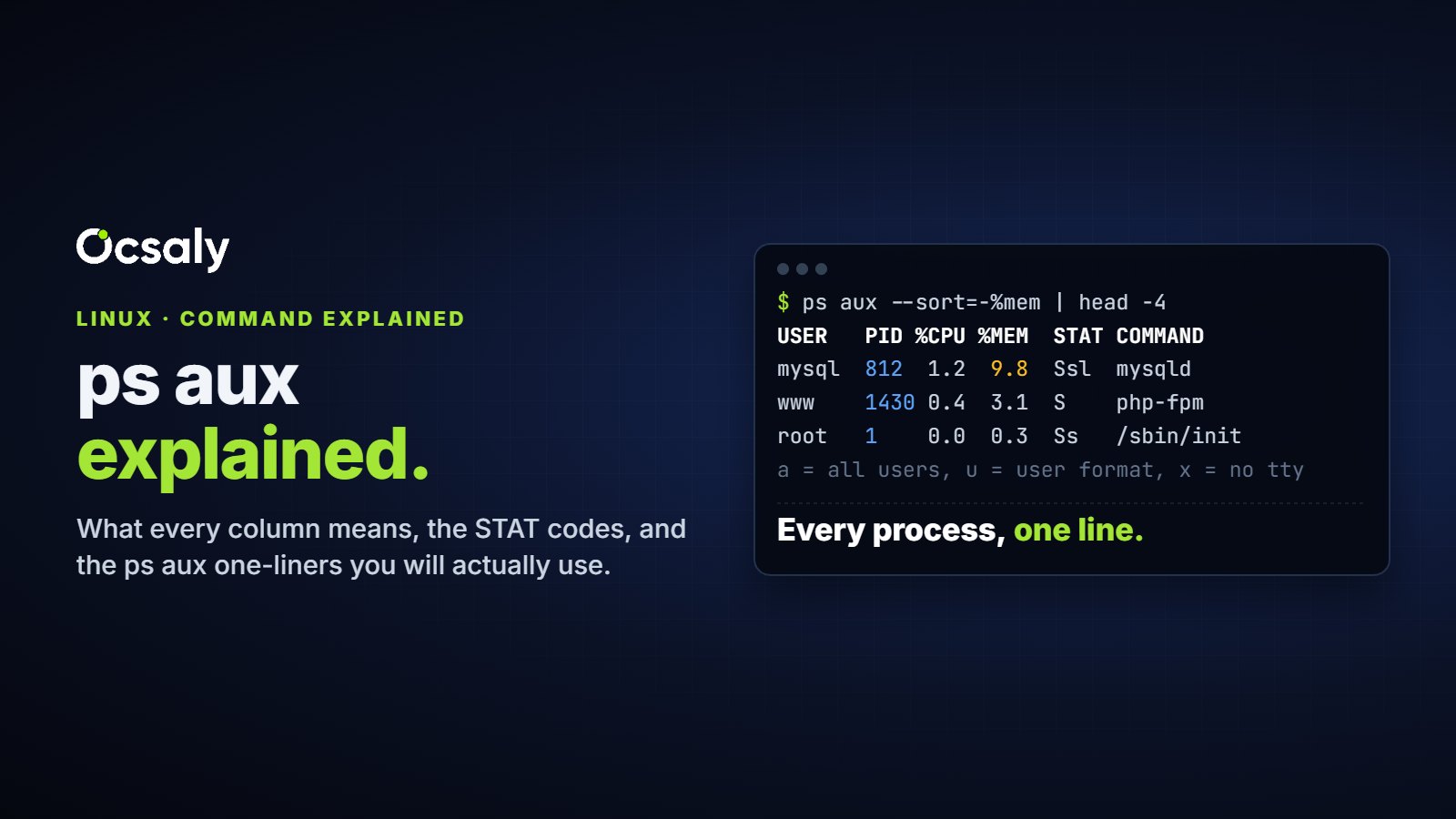
ps aux command output in a Linux terminal with columns explained
What ps aux does in Linux: what a, u and x mean, every output column, STAT codes like S, R and Z, and practical one-liners to find and sort processes.
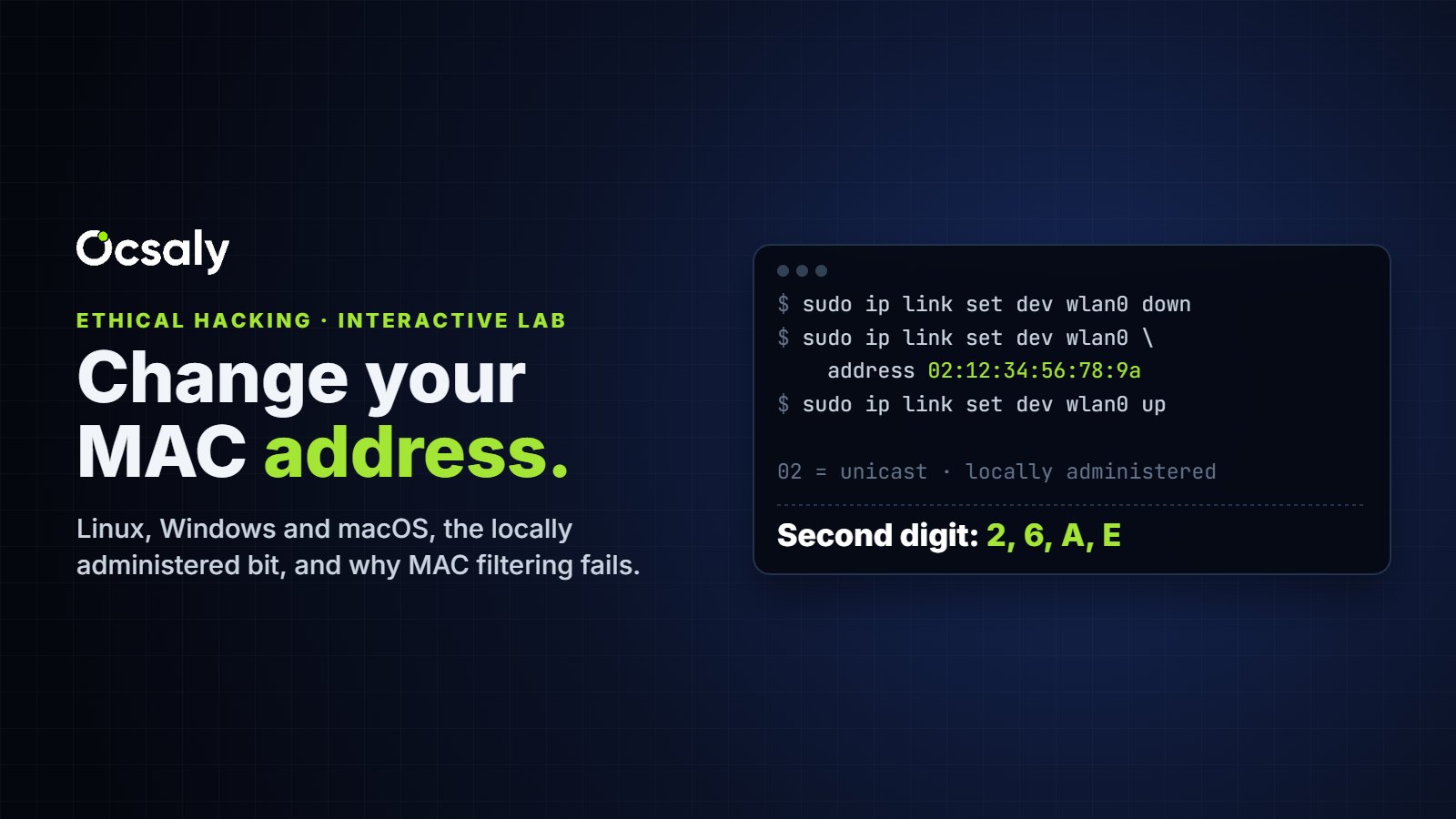
How to Change a MAC Address on Linux and Windows (and Why MAC Filtering Is Not Security)
Change a MAC address on Linux with ip link, macchanger or NetworkManager, and on Windows with Wi-Fi random addresses or Device Manager. Learn the locally administered bit and why MAC filtering does not protect a network.
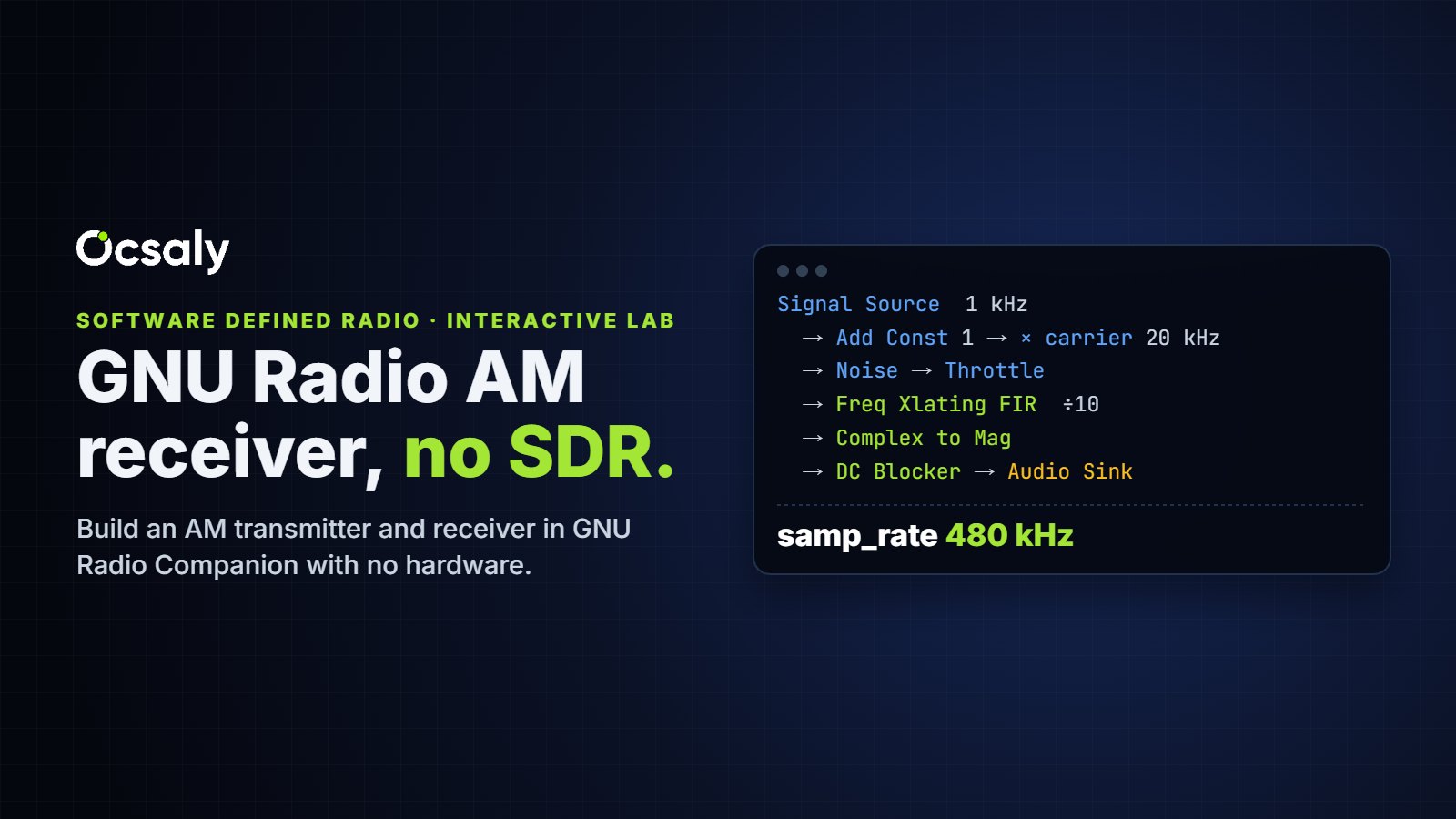
GNU Radio Tutorial: Build an AM Receiver With No SDR Hardware
Build a complete AM transmitter and receiver in GNU Radio Companion with no radio hardware: signal source, modulation, noise, frequency translation, envelope detection and audio, step by step.