The library

Explore practical walkthroughs, technical field notes, and fresh perspectives.

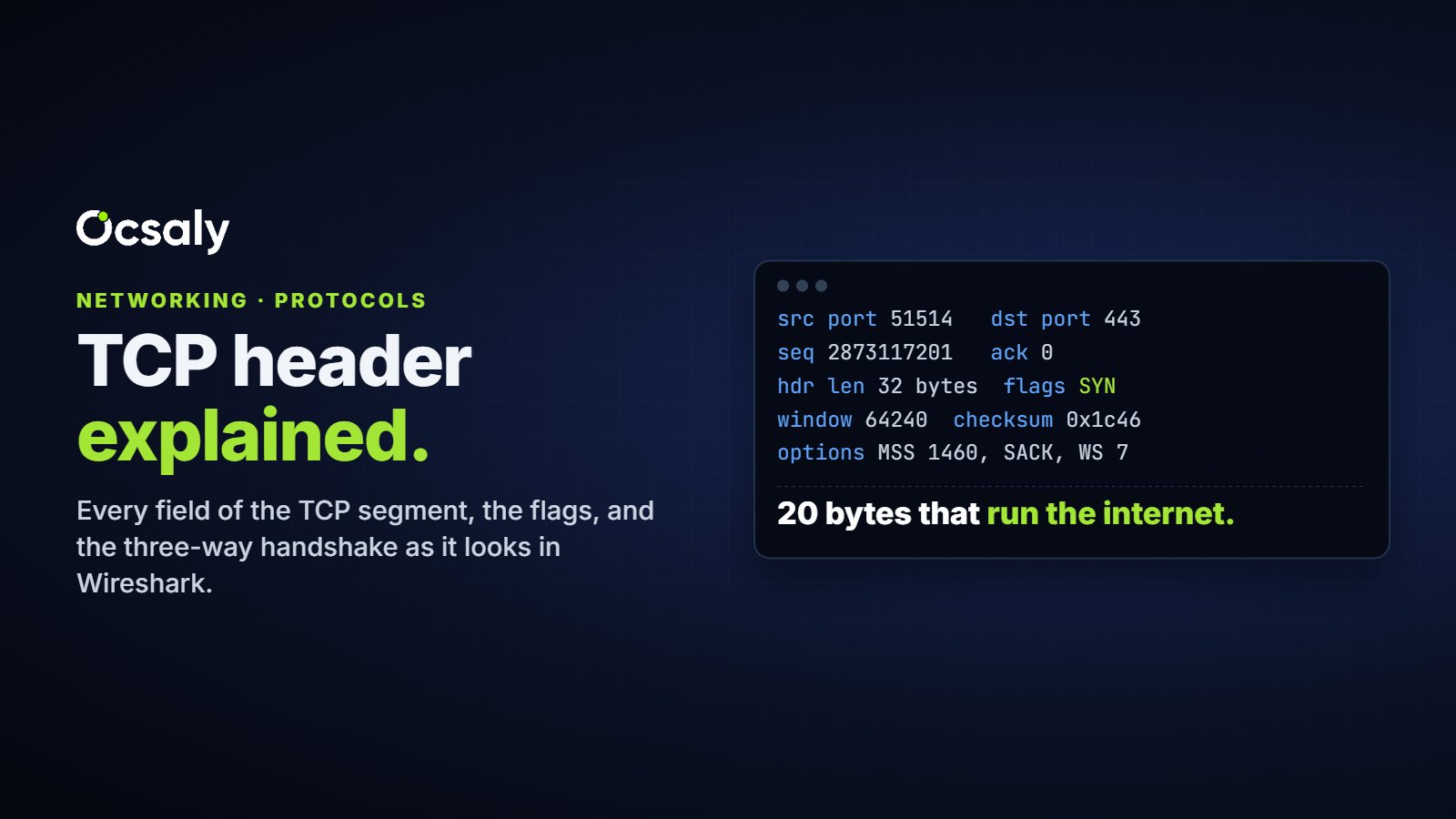
TCP header structure: ports, sequence numbers, flags and window
The TCP packet structure explained field by field: ports, sequence and acknowledgment numbers, flags such as SYN, ACK, FIN and RST, window, checksum and options.
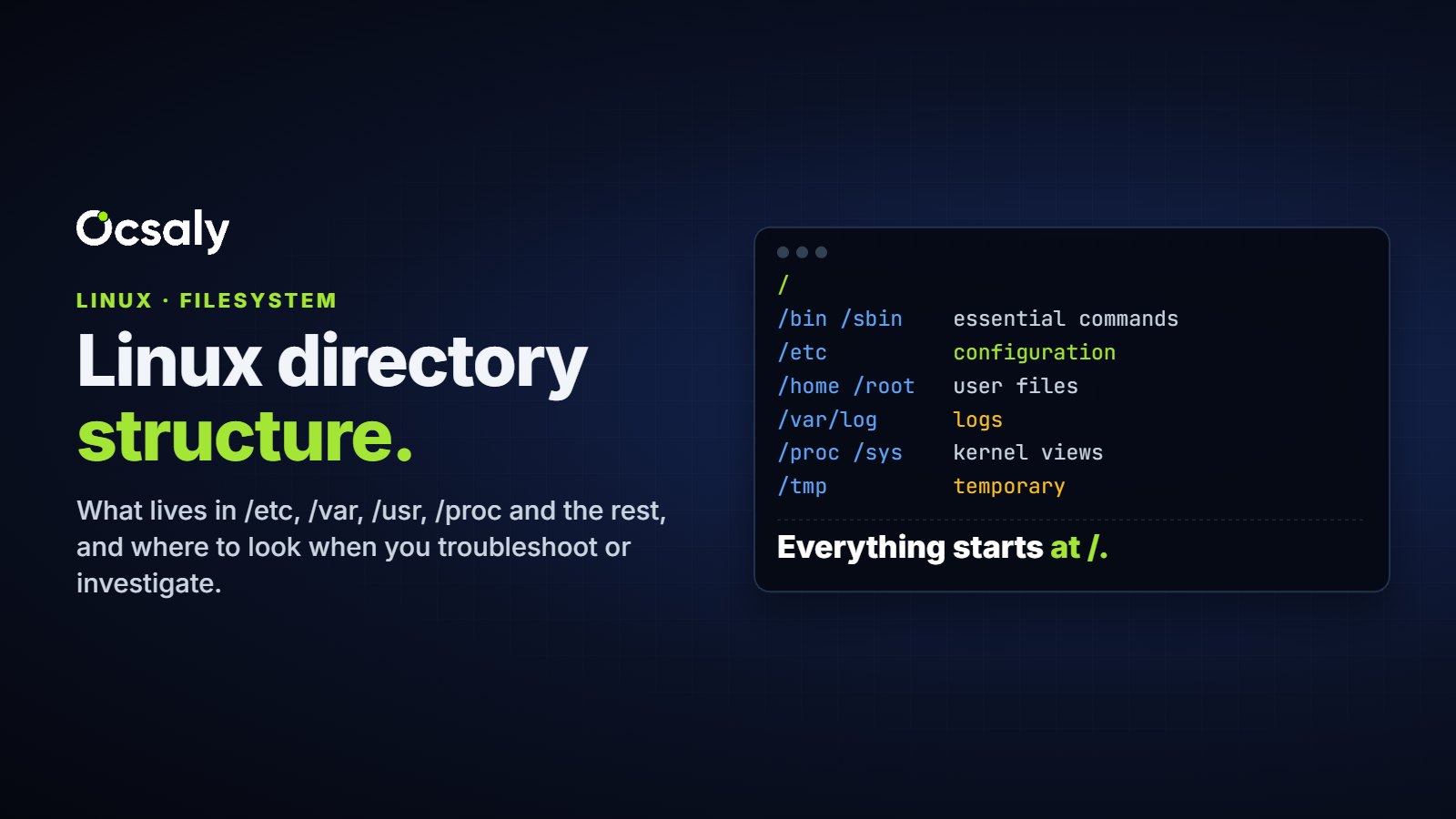
Linux directory structure: root, etc, var, home, proc explained
The Linux directory structure explained: what lives in /bin, /etc, /home, /var, /usr, /proc, /tmp and the rest, and where to look when troubleshooting.
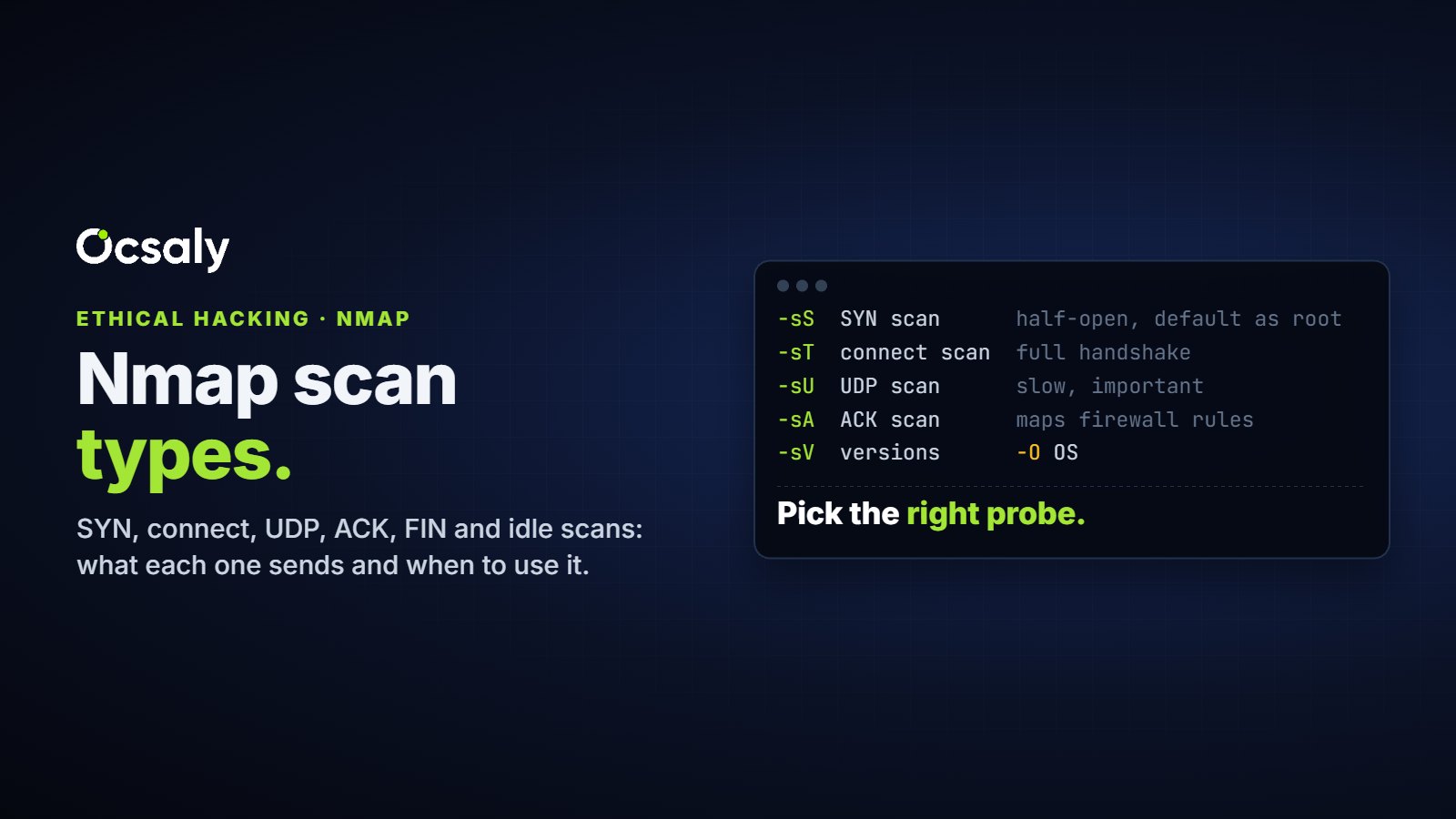
Nmap scan types compared: SYN, connect, ACK, UDP and more
Nmap port scanning techniques compared: SYN and connect scans, UDP, ACK, FIN, NULL and Xmas scans, idle scan, port states, and which scan to use when.
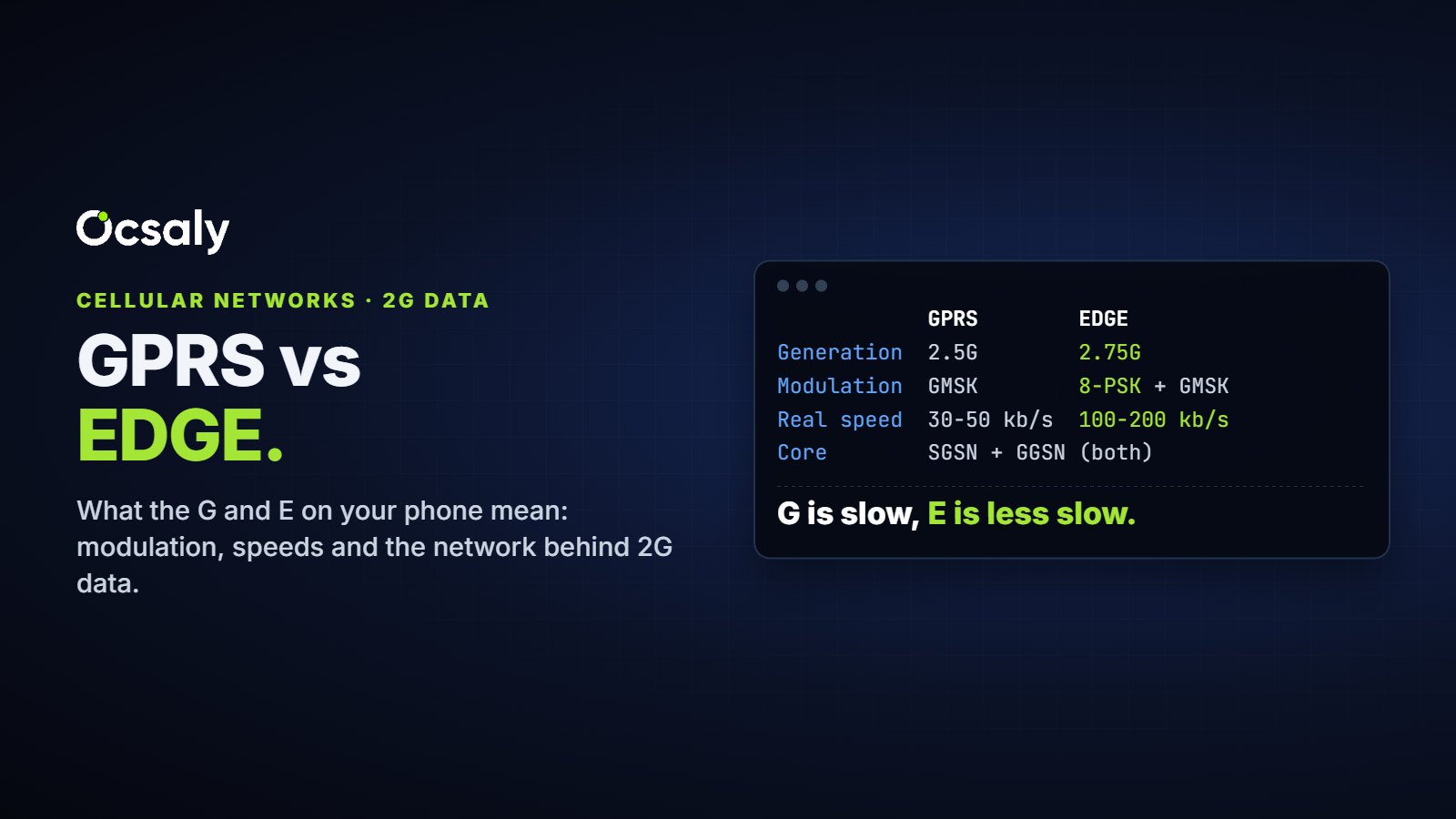
GPRS vs EDGE comparison: speeds, modulation and network elements
GPRS vs EDGE explained: what the G and E icons mean, 2.5G vs 2.75G, GMSK vs 8-PSK modulation, real and theoretical speeds, and the SGSN and GGSN.
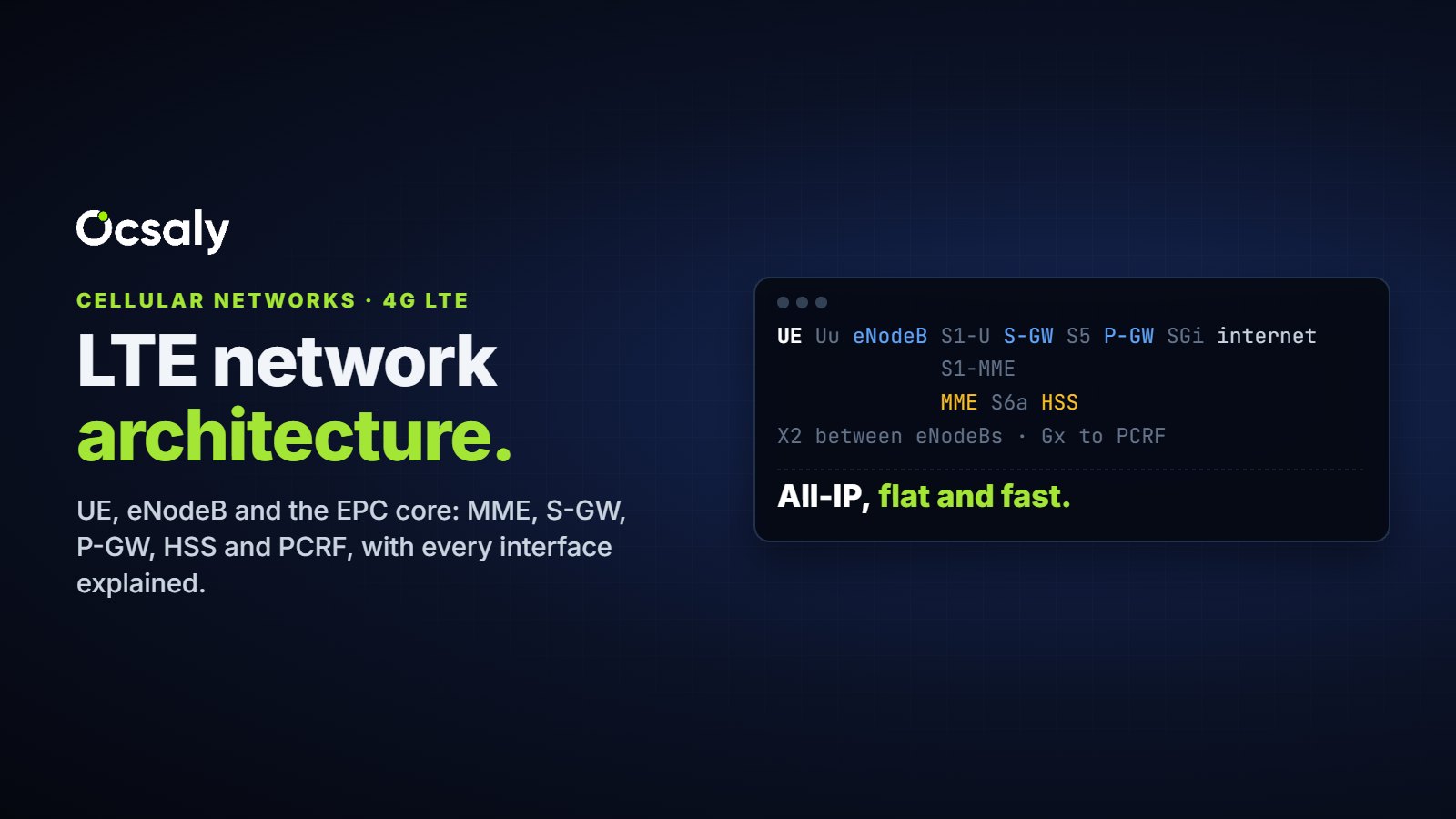
LTE network architecture: eNodeB, MME, S-GW, P-GW and HSS
LTE network architecture explained simply: the UE, eNodeB and E-UTRAN, the EPC core with MME, S-GW, P-GW, HSS and PCRF, and the interfaces between them.
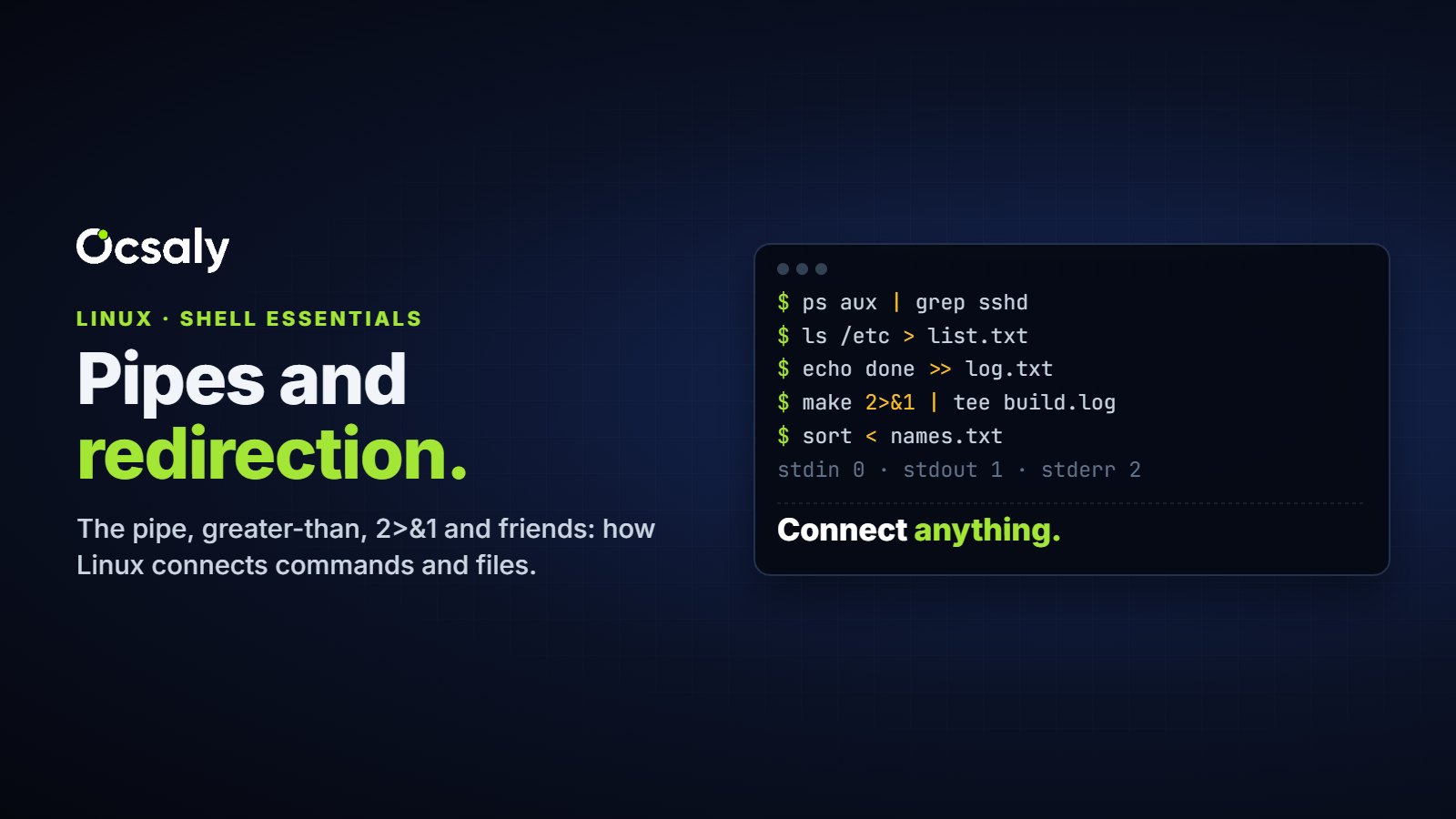
Linux pipes and bash redirection operators explained
How the Linux pipe and bash redirection work: stdin, stdout and stderr, the operators |, >, >>, &1, tee, here documents and common mistakes.
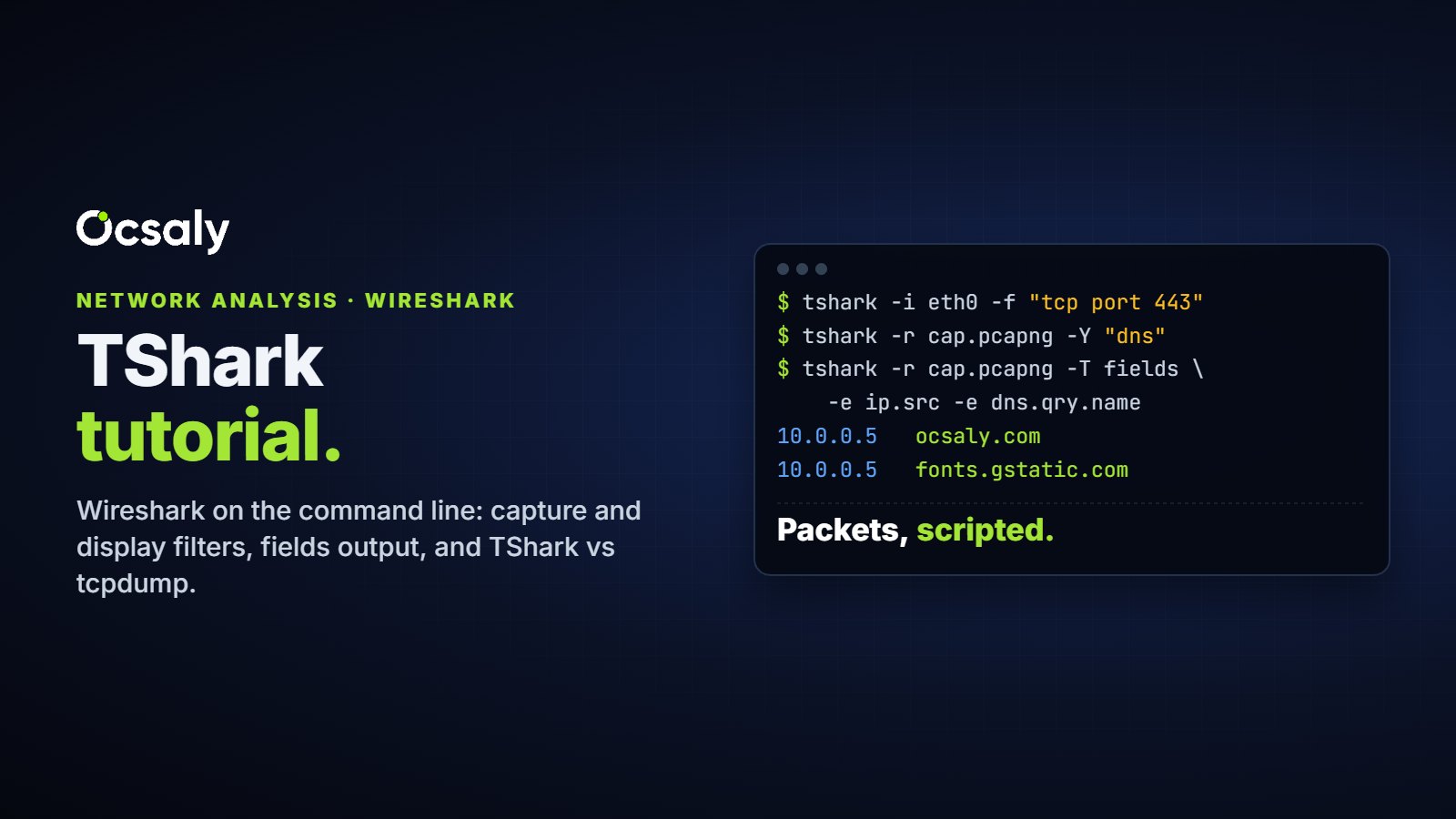
TShark command line packet capture and filters
How to use TShark, the command-line Wireshark: capture interfaces, -f capture filters, -Y display filters, field output for scripts, and TShark vs tcpdump.
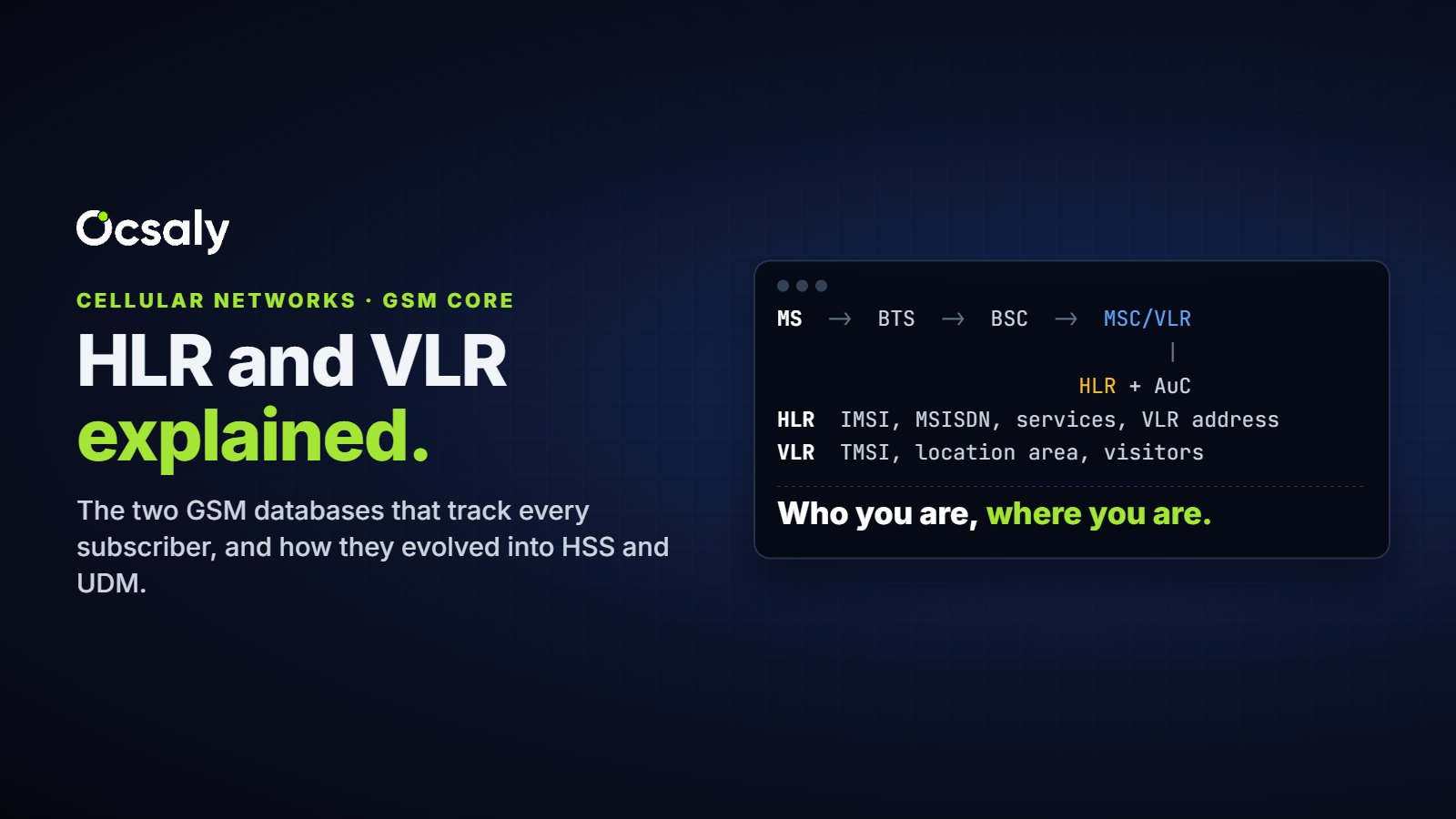
HLR and VLR in the GSM network architecture
What the HLR and VLR do in a GSM network, how they work with the MSC, AuC and EIR during location updates and calls, and how they evolved into HSS and UDM.
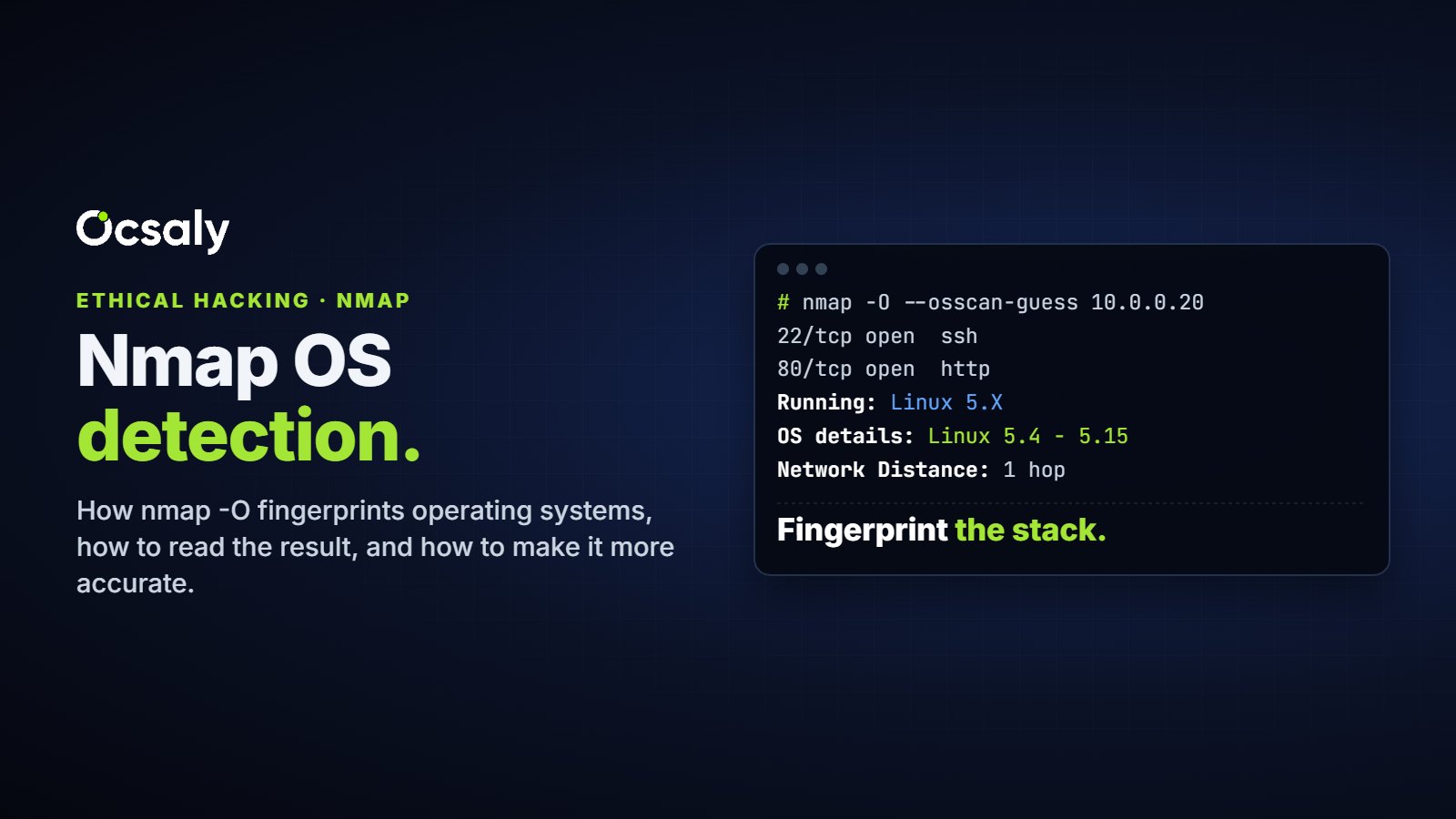
Nmap OS detection scan output with OS details
How Nmap OS detection works: the nmap -O and -A options, TCP/IP fingerprinting, reading Running and OS details lines, and tips to get accurate results.
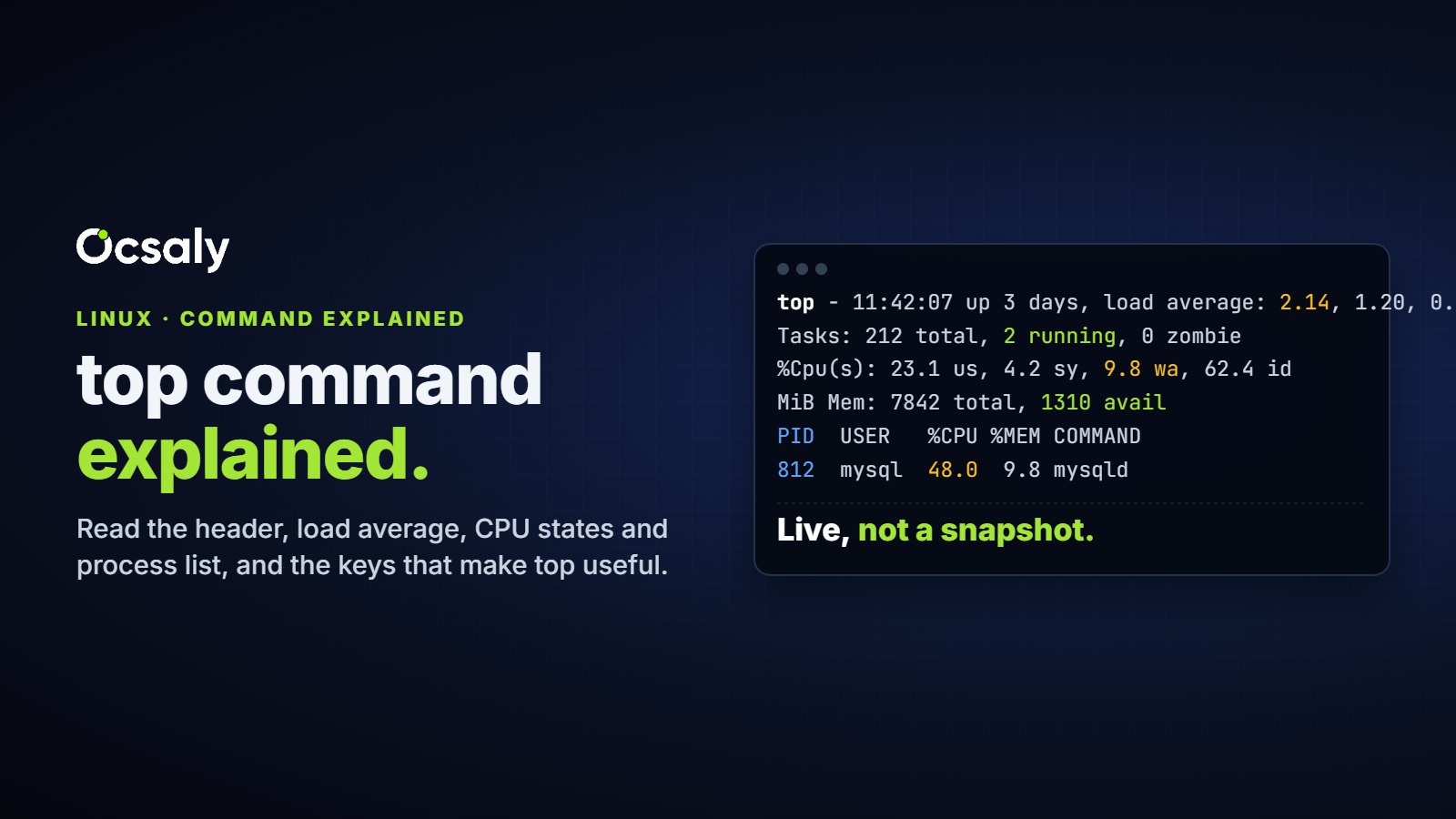
Linux top command output with load average and process list
How to read the Linux top command: uptime and load average, CPU states like us, sy and wa, memory lines, process columns, and keys to sort by CPU or memory.