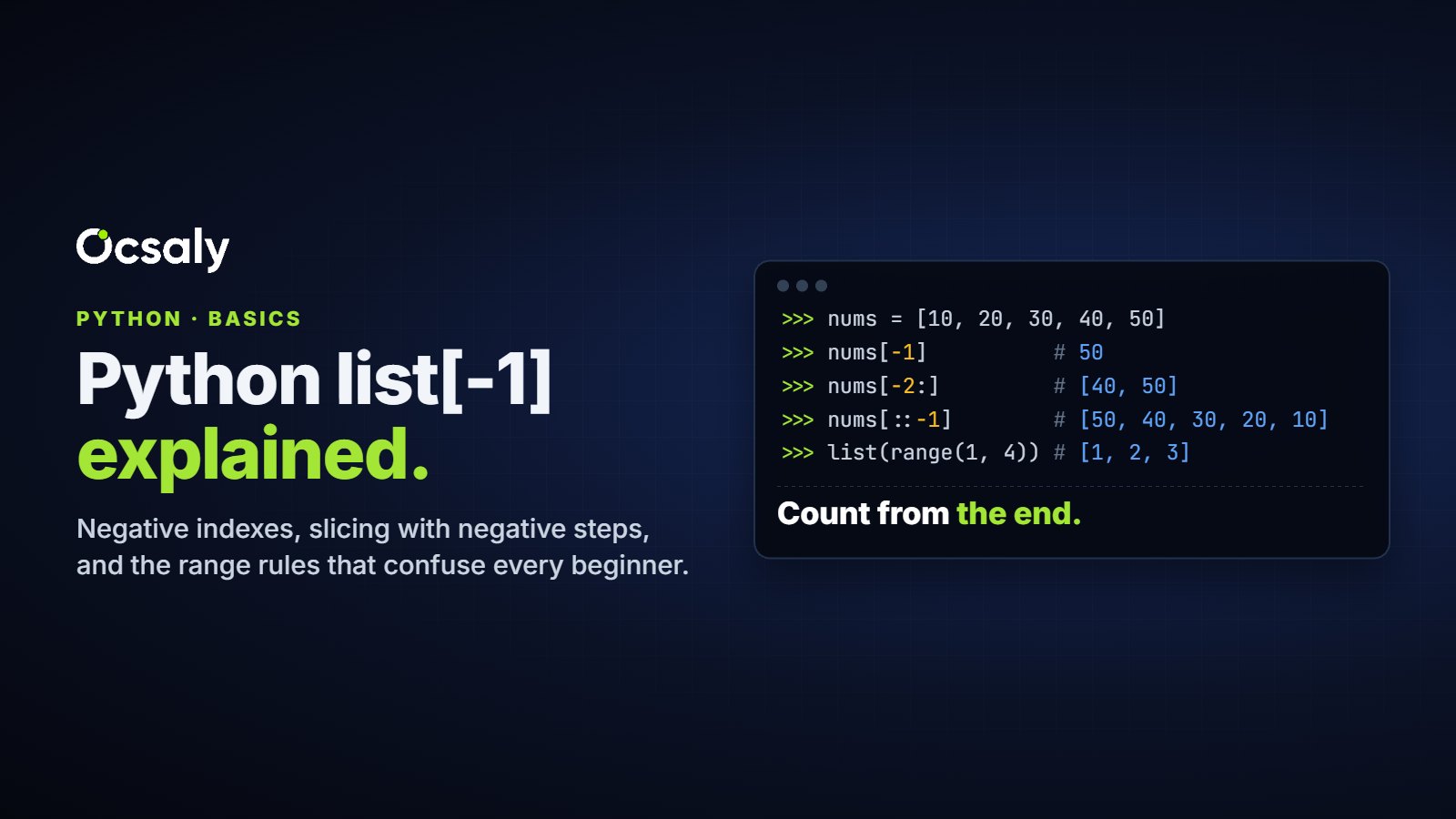
What list[-1] means in Python, how negative indexes and slices work, reversing with [::-1], why range() excludes the end, and the common mistakes to avoid.
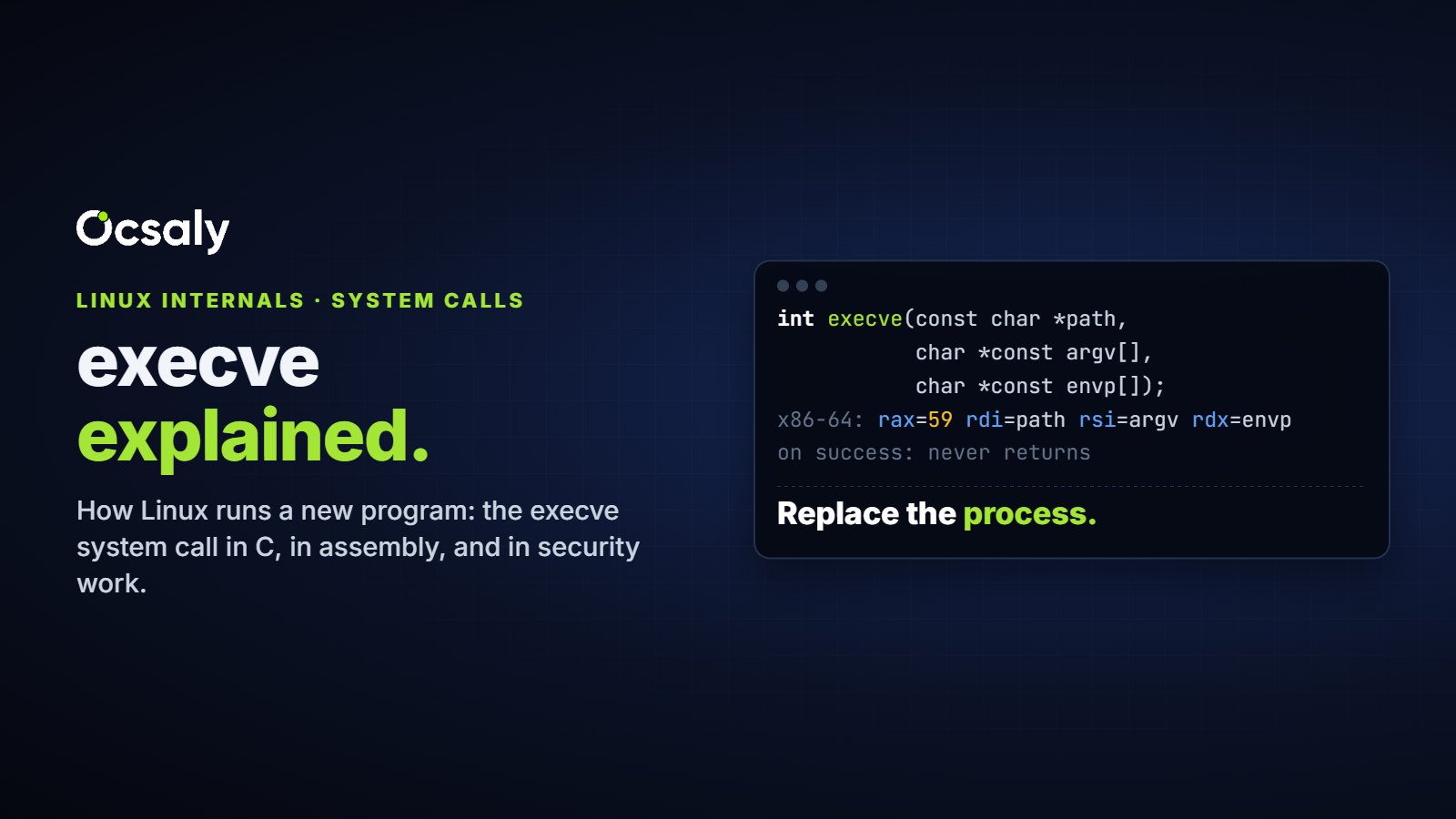
What the execve system call does in Linux, its arguments, the exec family, fork plus exec, the x86-64 syscall registers, and why execve matters in security.
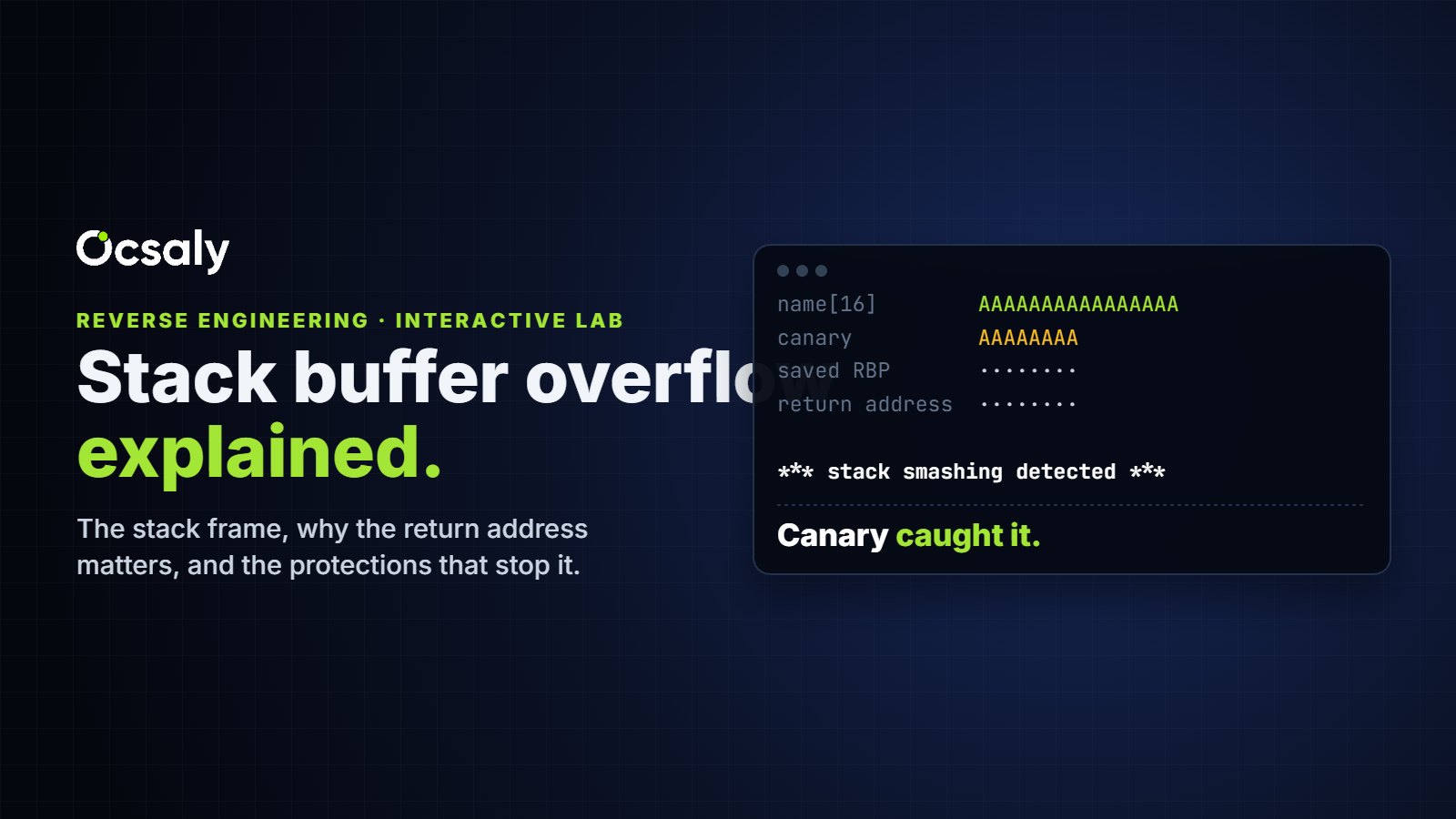
How a stack buffer overflow happens in C, what the stack frame looks like, why overwriting the return address crashes or hijacks a program, and how stack canaries, NX/DEP, ASLR and safe coding stop it.
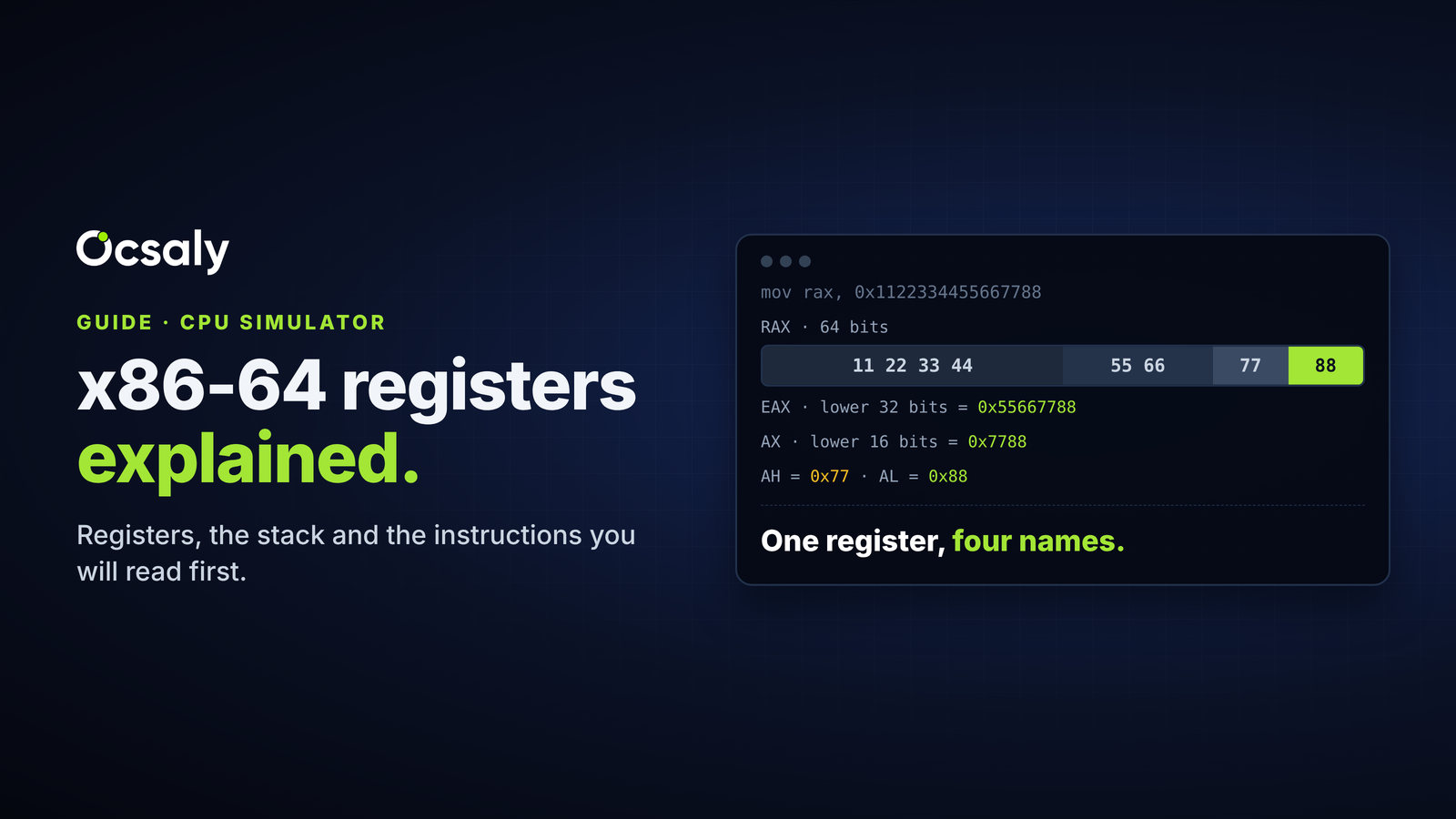
The x86-64 registers, the stack, the instructions you read first, calling conventions and GDB, with an interactive register lab and CPU step simulator.
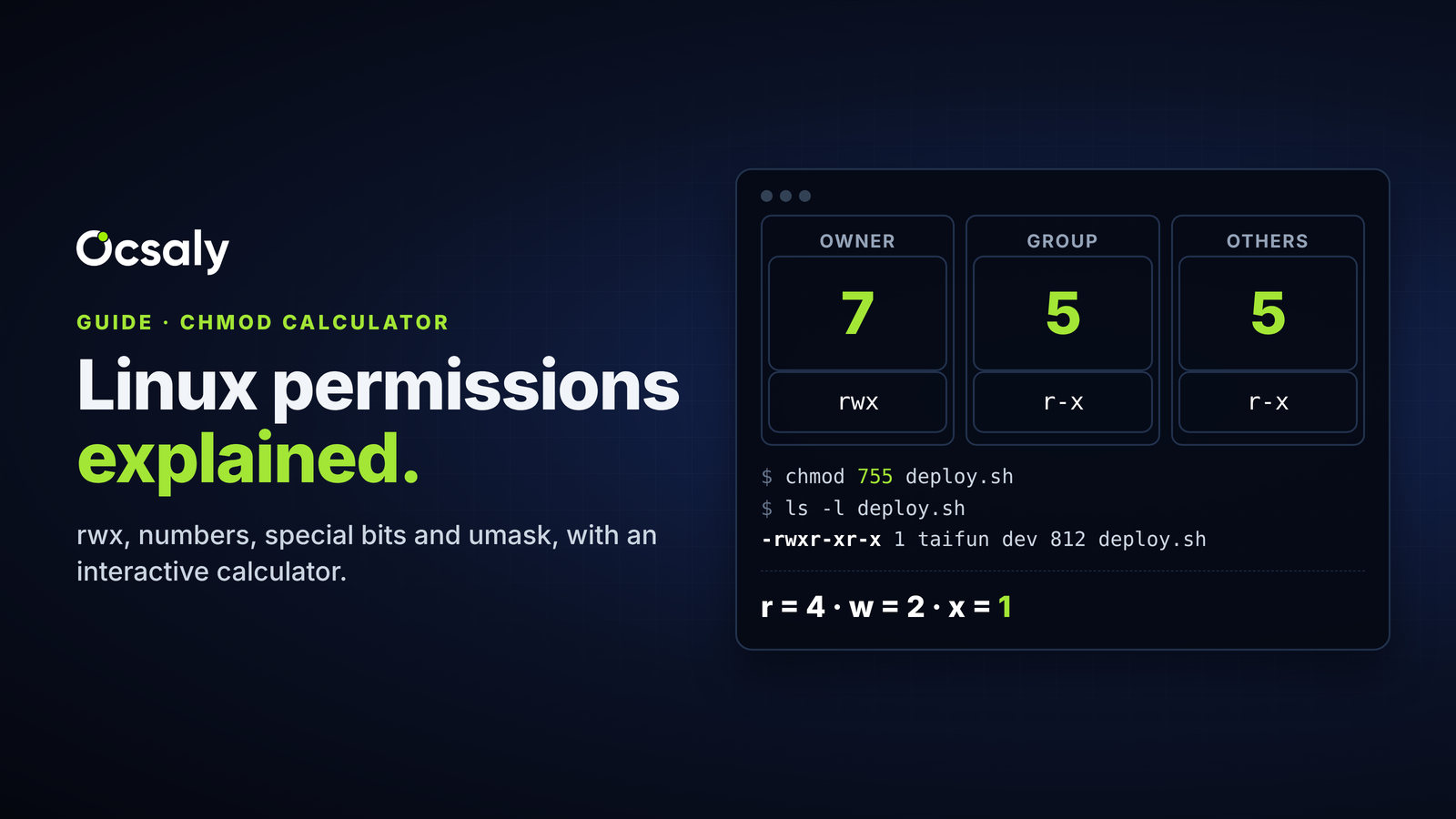
How Linux file permissions work, what chmod 755 and 644 mean, chown, special bits, umask and how to fix Permission denied, with an interactive chmod calculator.
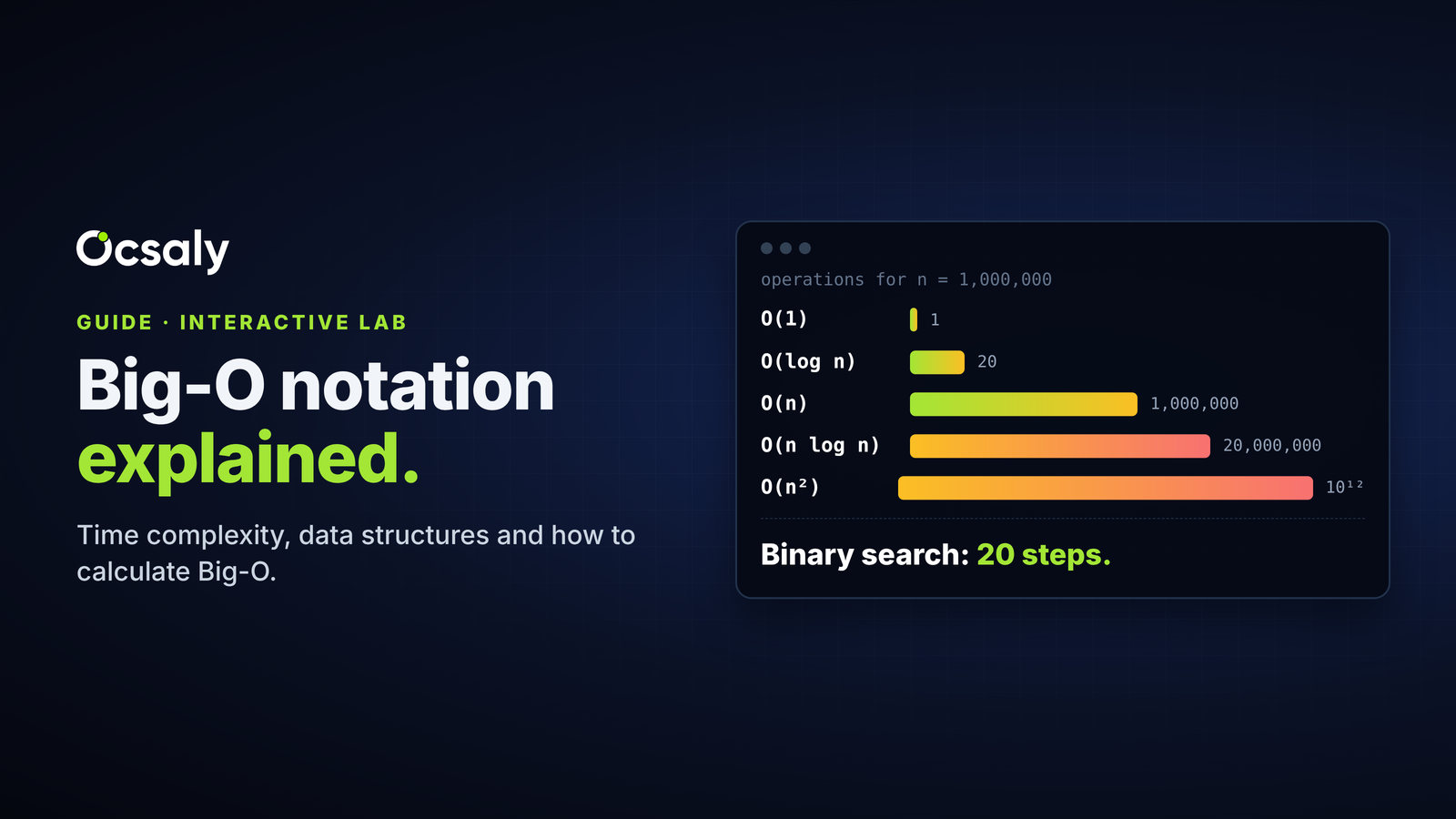
Big-O notation explained with code examples, how to calculate it, and the time complexity of common data structures and sorting algorithms, with an interactive visualizer.